Zoom Study Reveals Inbox Anxiety Is the Hidden Cost of Vacation
New research from Zoom shows that workers dread returning from vacation, and that dread is changing how, or whether,
Press Release Disclaimer: This is a press release distributed through the XPR Media network. It has not been independently verified by our newsroom.

New research from Zoom shows that workers dread returning from vacation, and that dread is changing how, or whether, they take time off at all
SAN JOSE, Calif., Sept. 01, 2026 (GLOBE NEWSWIRE) — The hardest part of taking time off might be the anticipation of what awaits workers when they get back, from an overflowing inbox and a calendar packed with catch-up meetings to important context lost while they were away.
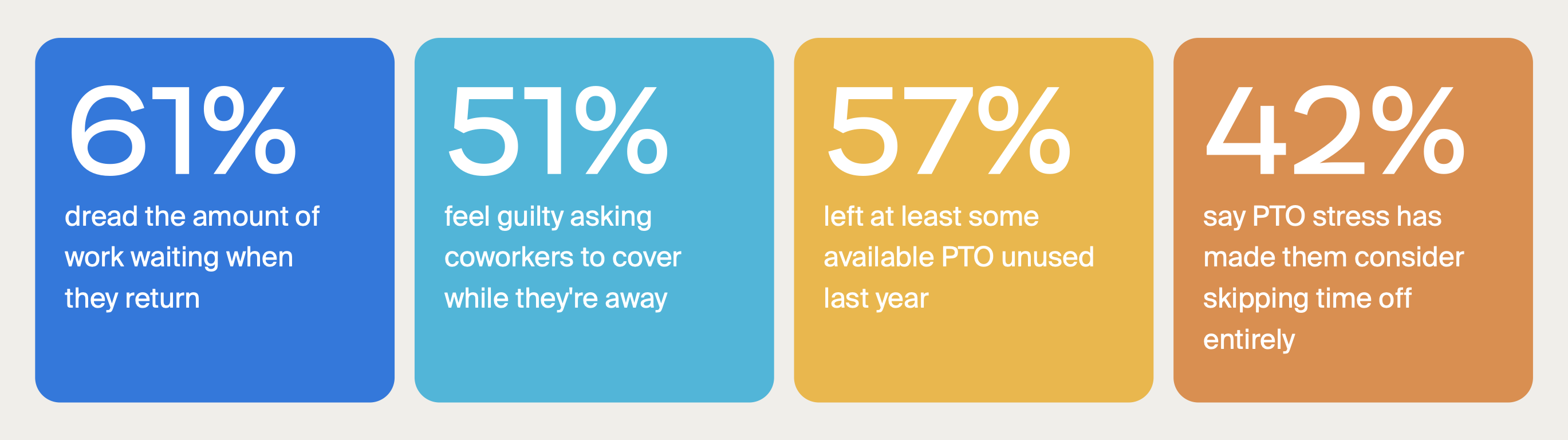
Zoom’s Out of Office Index, a national study conducted by Morning Consult, found that 61% of knowledge workers dread the work waiting for them after PTO and 48% feel anxious before their time away even begins.
That pressure is changing how people use their time away, with 57% leaving at least some available PTO unused over the past year, 42% considering skipping time off altogether because of work stress, and 68% saying they would rather monitor their inbox during vacation than return to an inbox with hundreds of unread emails.
With its products at the center of daily workplace communication, Zoom commissioned the study to better understand a workplace culture tension around productivity and well-being. Workers want meaningful time away, but many worry that disconnecting will leave them behind when they return.
“Taking time off should give people room to recharge, yet many workers spend their vacation worrying about what will be waiting when they return,” said Whitney Magnuson, Zoom’s Head of Brand Strategy and Activation. “The Out of Office Index puts numbers behind a workplace experience that people recognize, and it captures how that anxiety affects individuals, managers, and teams.”
To help close that gap, Zoom built ZoomMate’s new Out of Office Workflows, designed to help workers prepare before they leave and catch up quickly when they return.
The Anxiety Around Time Off Is Real and Measurable
For many workers, preparing for PTO means bracing for the return, with 48% feeling anxious before vacation begins and 65% working extra hours beforehand to stay ahead.
After they return, workers report the following:
- 61% dread the amount of work waiting for them.
- 77% say unread emails and messages are a source of stress.
- 88% need at least one full day to recover after returning.
- 53% need three or more days to feel fully caught up.
Gen Z workers report especially high levels of anxiety:
- 52% feel anxious before PTO.
- 52% have considered skipping vacation because of work stress.
- 65% left at least some PTO unused last year.
Managers are also heavily affected:
- 53% feel anxious before taking time off, compared with 36% of individual contributors.
- 70% work extra hours before they leave.
- 60% left at least some PTO unused.
For Organizations, One Person’s Time Off Becomes Everyone’s Problem
When a key employee steps away, the effects can spread across the team, especially when information and decisions remain tied to one person.
- 71% of workers say they at least sometimes experience work delays when a teammate is out.
- 75% say work tied to a key teammate stalls for at least a day when that person is out.
- 65% encounter collaboration challenges.
- 60% report operational inefficiencies when a colleague is away.
That pressure is shaping investment decisions, with 76% of IT decision-makers saying they plan to invest in team productivity and work-continuity tools within the next 12 months. Organizations are looking for better ways to preserve context and keep work moving when someone steps away.
Workers Want AI to Help Them Catch Up
AI support is especially appealing around the return to work:
- 82% want AI to summarize what they missed.
- 80% want automatic recaps of decisions made in their absence.
- 79% want AI-generated to-do lists for their first day back.
- 78% would be more likely to fully disconnect if AI reliably caught them up upon return.
- 76% would use more of their available PTO if AI reliably helped them catch up.
- 69% say AI tools could improve their work-life balance.
ZoomMate Carries the Conversation Forward, So People Don’t Have To
Much of what a returning employee has to reconstruct begins in a conversation, whether it is a meeting they missed, a decision made in a thread, or a customer call that changed a priority. Catching up means understanding what happened in those conversations and what needs to happen next.
ZoomMate’s new Out of Office Workflows help employees organize what happened while they were away and decide where to begin.
- Before You Go. Organizes open projects, key contacts, and pending decisions in a “While I’m Out” Canvas.
- Welcome Back. Searches meetings, documents, and Zoom Chat threads from the time an employee was away, surfaces key decisions and priorities, and creates a prioritized “Day 1 Plan.”
- Missed Messages Digest. Creates a prioritized digest of Zoom Chat messages, including urgent items and mentions, with suggested replies for time-sensitive conversations.
- Action Item Triage. Brings together action items from an employee’s absence and organizes them into Do Today, Delegate, Defer, or Done.
The workflows help returning employees understand what happened, identify what needs attention, and decide where to begin.
Methodology
Zoom’s Out of Office Index was conducted by Morning Consult, surveying 1,000 U.S. knowledge workers and 500 U.S. IT decision-makers in 2026. The margin of error is plus or minus 3 percentage points for knowledge workers and plus or minus 4 percentage points for IT decision-makers. To learn more about Zoom’s Out of Office Index, visit zoom.com/en/lp/summer.
About Zoom
Zoom (NASDAQ: ZM) is an AI-first work platform built for human connection, purposefully designed to move conversations to completion. From solopreneurs to global enterprises, customers choose Zoom to communicate, collaborate, and get work done across meetings, chat, phone, contact center, events, and more, with the built-in assistance of Zoom AI Companion. Founded in 2011, Zoom is headquartered in San Jose, California. For more information, visit zoom.com.
Media Contact
Rebecca Bernhard
rebecca.bernhard@zoom.com